Originally published in CEOWorld Magazine
The U.S. has a shortage of affordable rental homes in every state and major metro area. On average, for every 100 households with extremely low income, there are only 35 homes available.
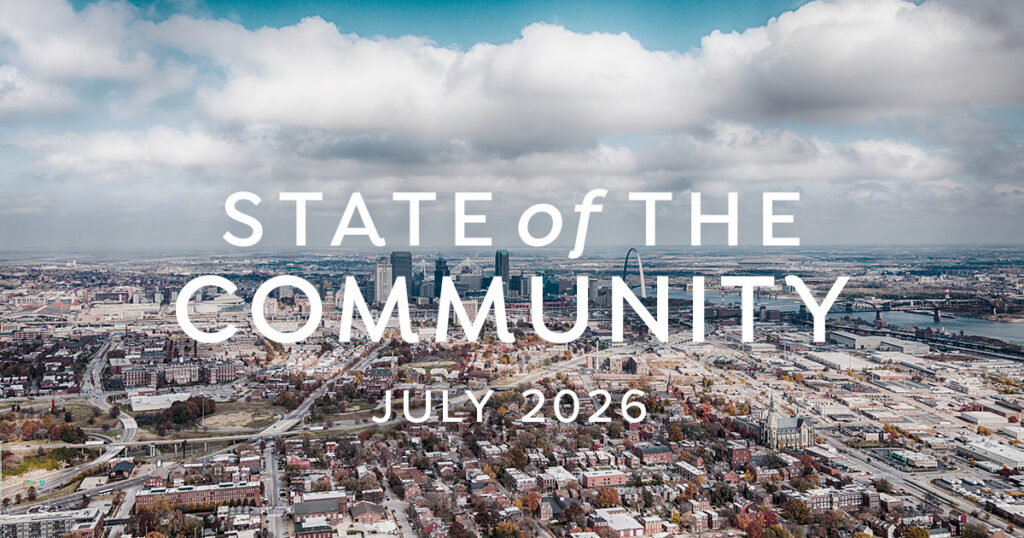
Here in St. Louis, the shortage was recently made worse by an EF3 tornado that ripped through several of the city’s most vulnerable neighborhoods back in May, reducing block after block of solid brick homes to piles of rubble. More than 5,000 homes were impacted within the city alone, along a path that stretched 23 miles. The damage estimate so far is $1.6 billion.
Our community development nonprofit, Beyond Housing, serves a footprint just to the northwest of the city neighborhoods that were most devastated. We own or manage nearly 800 affordable rental properties—and we already had a waiting list. The tornado intensified an acute situation for low-income renters.
A time for innovation
The urgent need we’re seeing in St. Louis is a microcosm of the entire country. Not only are the frequency and scope of natural disasters increasing, but when they hit economically disadvantaged areas where insurance coverage is low and the stock of affordable housing is already limited, recovery becomes all the more challenging.
Nevertheless, we should not let these dire situations overwhelm us into hasty decisions that might not serve our communities’ best interests in the future. This is a time for innovative thinking backed up by data-driven action—which brings me to the comprehensive approach we have pioneered at Beyond Housing.
When our nonprofit was launched 50 years ago, the founders recognized that providing housing alone is not sufficient to address decades of disinvestment and marginalization. The model they developed combined housing renovation, financial assistance, and social services with a focus on providing homes for families, the elderly, and the unhoused.
As Beyond Housing evolved, we realized we could have the most impact through place-based service. Starting in 2010, we focused on a section of St. Louis County that came to be known as the 24:1 Community, named for the two dozen municipalities united under one vision for neighborly residents, invested families, and successful businesses.
While housing is still central to our transformative model, we address four other critical areas as well: education, economic development, job creation, and health. Rather than instituting what we think the community needs in those five areas, we first pause and gather feedback. We then align our actions with residents’ input.
Obviously, pausing in the aftermath of a tornado is a hard sell. But we do have time—St. Louis is still in the cleanup stage, having hauled away nearly 10,000 dump trucks’ worth of debris so far, with more to go. We have an opportunity to innovate as we decide on the next steps. We can implement community development that will exceed the basic recovery level and resolve the underlying issues impacting our most vulnerable residents.
Moving at the speed of trust
Our mantra at Beyond Housing is “Community building happens at the speed of trust.” Establishing trust requires time, relationships, effort, and persistence in all facets of the organization. For us, this includes:
- Front-line intake personnel in our Transformative Services Division
- Family engagement liaisons embedded the local public school district
- Urban forestry teams focused on municipal green spaces
- Financial empowerment specialists supporting homeownership goals
- Construction program staff coordinating home repair grants
At the leadership level, we engage with our partners and stakeholders via open dialogue, transparent actions, and patient resolution of the inevitable conflicts. Quick hits of goodwill such as public ceremonies and speeches are all well and good, but they do less to advance trust than a steady, day-to-day presence.
In addition to earning trust, we need to demonstrate it as well. Our community members have the capacity to do great things, but they are human. They will stumble. When an organization treats a well-intentioned effort that ends in failure as a dead end, it sends a clear message: The staff does not have reciprocal trust in the individual or family it serves. This lack of compassion stifles innovation both internally and externally.
Over the course of our 50 years, we have witnessed many examples of community transformation. We know that it doesn’t happen overnight, or even over the course of a few years. It requires long-term, sustained, consistent, effort.
A community transformation in progress
Earlier this year, Beyond Housing completed its 20th low-income housing tax credit project since 1988. This milestone $12 million project is especially meaningful to us because the 36 new rental homes are located in the City of Pagedale, where we have invested more than $175 million in the past 15 years.
The physical changes brought about by this targeted development are visible along Page Avenue, the city’s main thoroughfare: a health clinic, bank, senior living complex, multiplex cinema, and a business center housing offices and eateries, among other improvements. Branch off in any direction, and you will come across examples of the 100 additional new rental homes we have built, as well as hundreds of other privately owned houses that have been rehabbed through grant funding from our partners.
As a result of this infusion of capital, Pagedale has seen a 33% increase in property values and a 249% increase in the number of businesses. Taxable commercial sales went up by 43%, while the total number of crimes reported decreased by 42%. Behind these metrics are countless stories of lives altered through economic opportunity, housing stability, and satisfaction with their standard of living.
Pagedale represents the future of affordable housing, where innovation is aligned with residents’ goals, services are part of a comprehensive model, and compassion infuses our collective actions.
If we do it right—in Pagedale, St. Louis, or any other community—one day our efforts will no longer be needed.